The UAE has one of the most accessible visa systems for skilled expats and investors. Since 2021, the government has introduced several long-term residency options that make it easier than ever to put down proper roots without needing an employer to sponsor you.
Tourist Visa
British, EU, and most Western passport holders receive a visa on arrival automatically; no pre-application needed. This is a standard 30-day stay, extendable for a further 30 days from within the UAE.
If you plan to stay longer than 60 days you must either leave the UAE ("visa run"), apply for an employment visa, or switch to one of the long-term residency options below.
Employment Visa
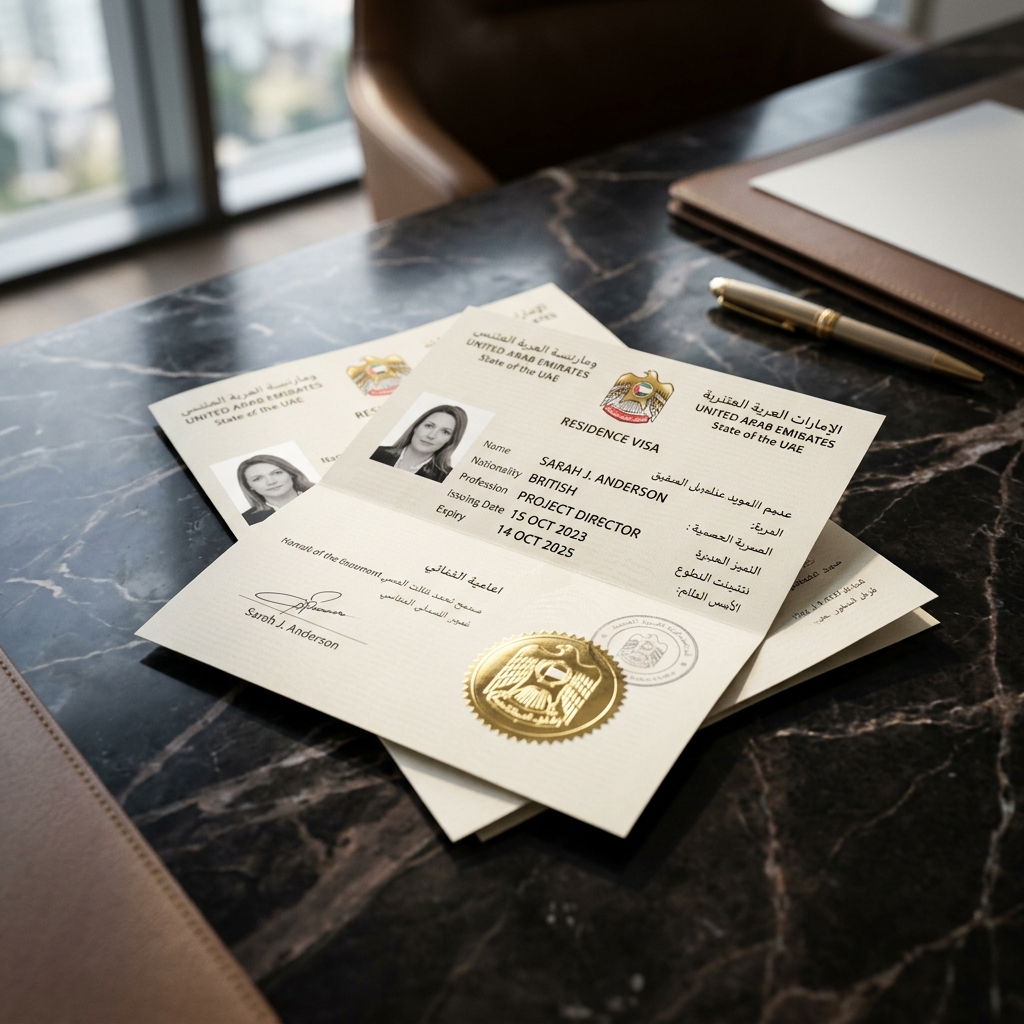
The most common route for expats relocating for a job. Your employer applies for a work permit, which then enables a residence visa. You cannot apply independently; the employer must initiate the process.
Medical Fitness Test
All employment visa applicants must pass a medical fitness test at a DHA-approved clinic, including blood tests and a chest X-ray. Cost is approximately AED 350-500 in 2026. The test is a formality for the vast majority of applicants.
Freelance Visa
Issued through free zones (Dubai Media City, Dubai Internet City, Fujairah Creative City, and others) or directly through the DET (Department of Economy and Tourism). Allows you to live and work in the UAE without a local employer.
Popular free zones for freelancers include Dubai Media City (creative, media), Dubai Internet City (tech), IFZA, and Meydan Free Zone. Costs and approved activity lists vary; shop around before committing.
Investor / Business Owner Visa
If you set up a company in the UAE (mainland or free zone), you qualify for an investor or partner visa. This ties your residency to your business entity rather than an employer.
Golden Visa (10-Year Residency)
The UAE's flagship long-term residency programme, introduced in 2019 and significantly expanded in 2022. It grants 10 years of residency without requiring an employer sponsor, and can be self-sponsored. As of 2026, it remains the most desirable long-term status for high-earners and property investors.
AED 2M+ property (owned outright or with approved mortgage)
Salary AED 30,000+ / mo in government-listed sectors
Approved startup or exit of AED 7M+
Scientists, doctors, artists, athletes (nomination required)
Retirement Visa (5-Year)
Introduced in 2020 for expats aged 55+. Requires meeting one of three financial criteria and is renewable every five years.
Key Things to Know
Emirates ID is everything
Once you have residency, your Emirates ID is required to open a bank account, sign a lease, get a UAE driving licence, and access government services. Apply for it the moment your visa is stamped.
Health insurance is mandatory
Dubai requires all residents to have health insurance. Employment visa holders typically get this from their employer. Freelance and investor visa holders must arrange it independently; budget AED 3,500 - 9,000 per year for a solid plan in 2026.
Visa runs still work (for now)
Some people cycle tourist visas by leaving the country briefly. This is technically permitted but frowned upon as a long-term strategy. It's not a substitute for proper residency if you're genuinely living here.
Use a PRO service for complex applications
A PRO (Public Relations Officer) service costs AED 600-1,800 and handles all government paperwork. For first-time applicants, it is almost always worth it.
Visa rules and fees change regularly. Always verify current requirements with the UAE General Directorate of Residency and Foreigners Affairs (GDRFA) or a licensed immigration advisor before applying.